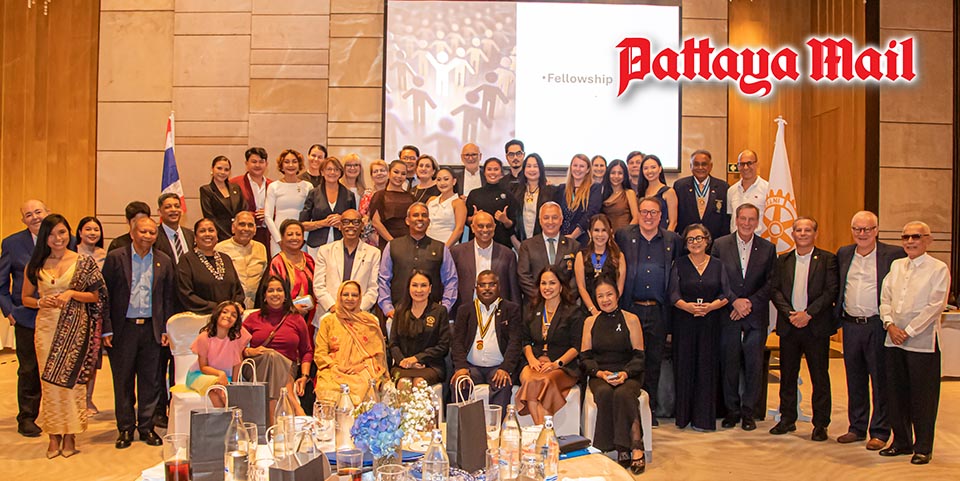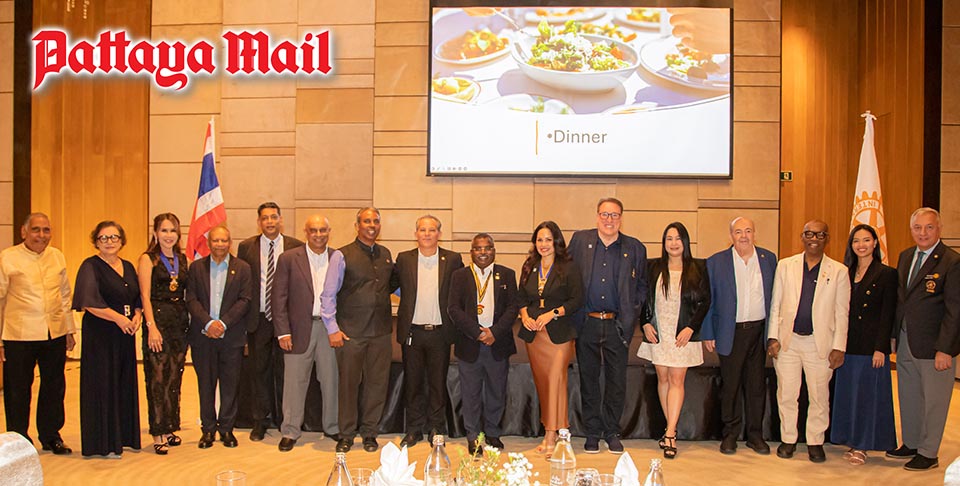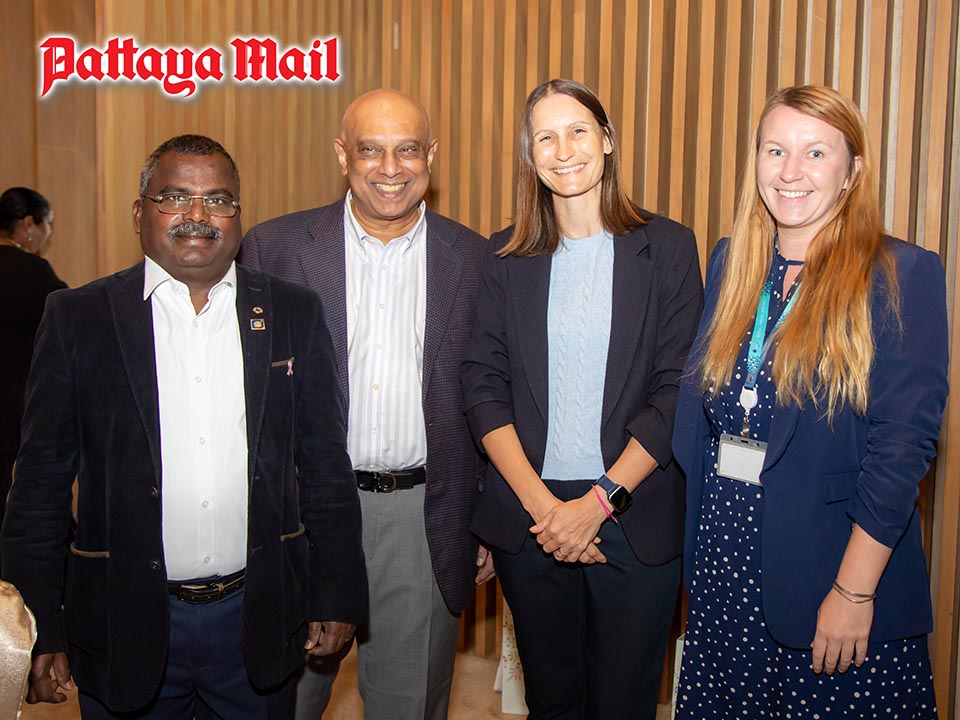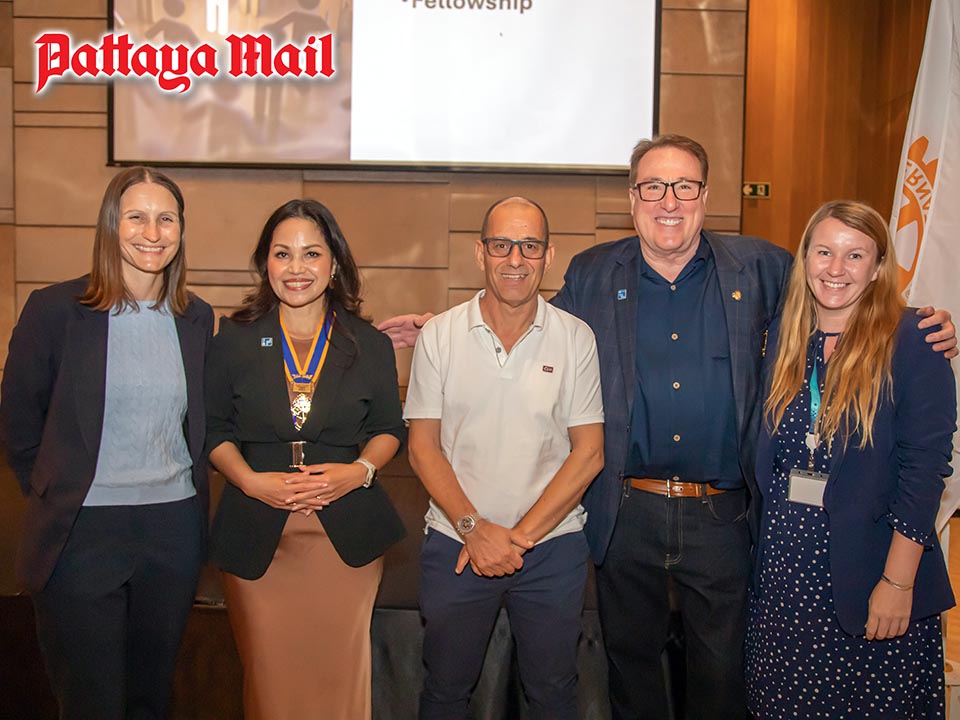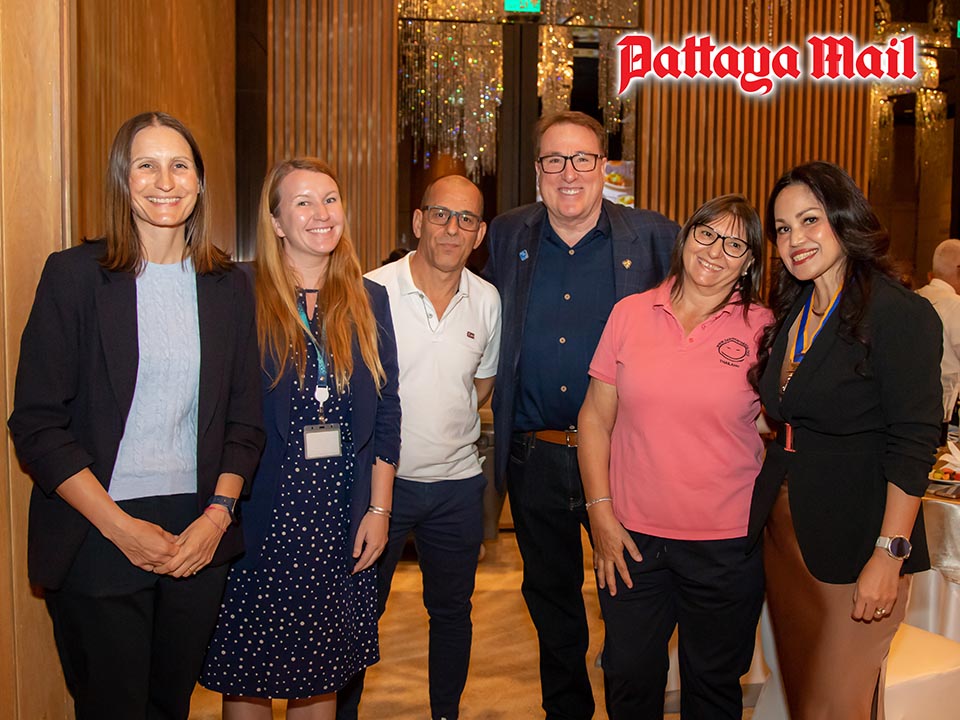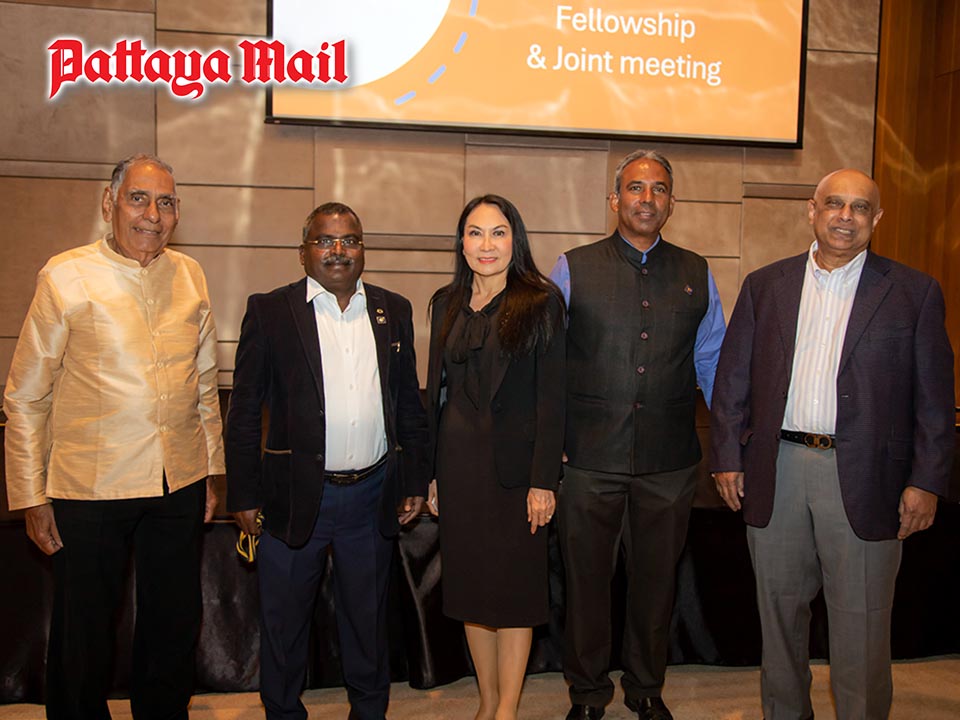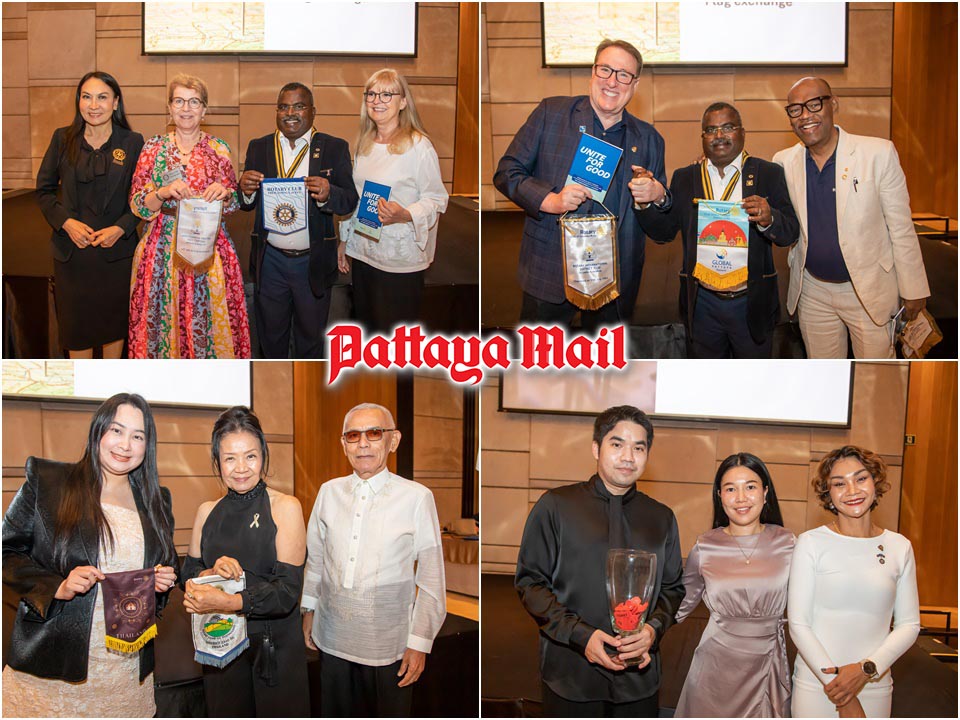
PATTAYA, Thailand – A glittering gala at the Hilton Pattaya became far more than a formal celebration. Set against an elegant backdrop of chandeliers, warm lighting, and animated conversation, the evening evolved into a powerful demonstration of international Rotary fellowship, as three Rotary Clubs from two countries came together in shared purpose.
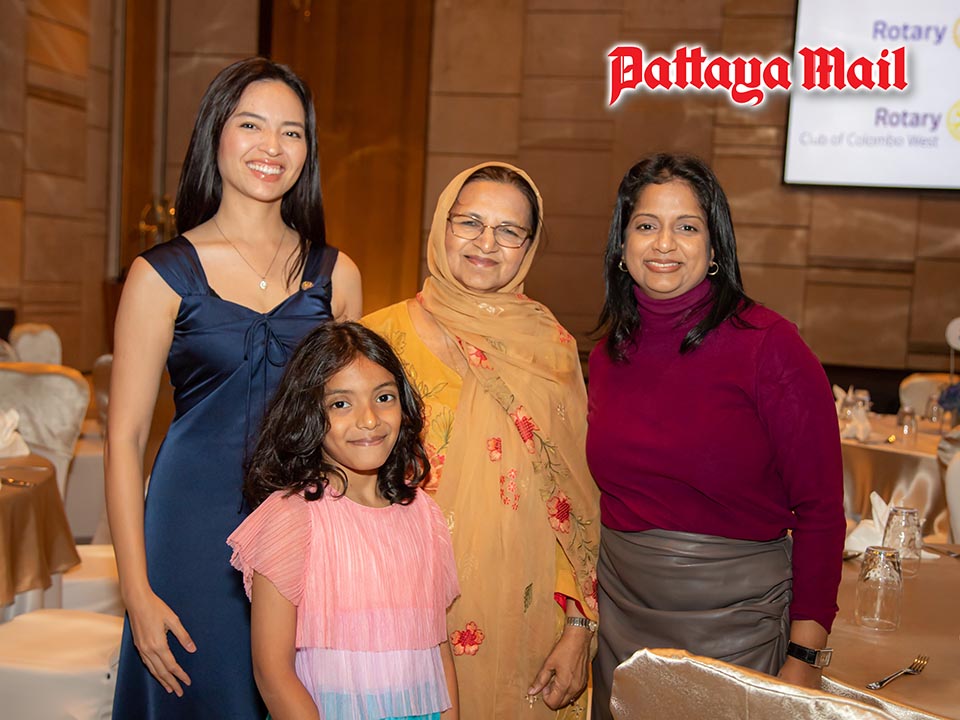
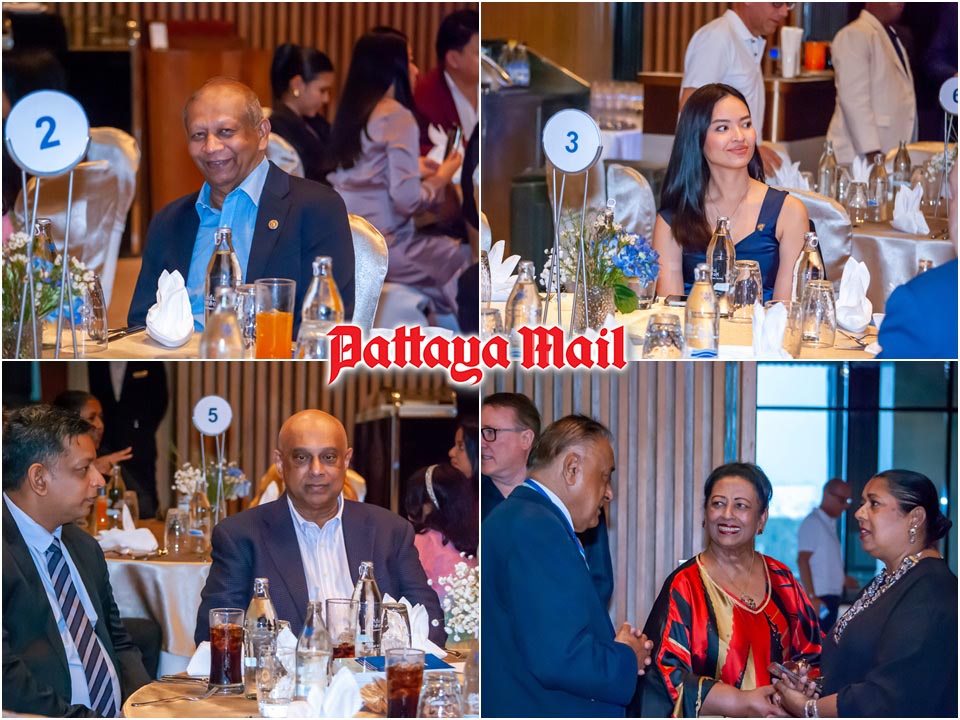
Hosted by the Rotary Club Global Pattaya, led by Charter President Rosemarie Gamito, the fully occupied ballroom welcomed a delegation of more than ten Rotarians who had travelled from Colombo to Thailand. The ceremonial opening immediately set a dignified tone: the Thai national anthem was followed by the Sri Lankan national anthem and the Rotary anthem, underscoring the distinctly international character of the gathering.
In his keynote address, K. P. Nagaraja, President of the Rotary Club of Colombo West, spoke of the enduring strength of Rotarian friendship across cultural and geographical boundaries. His remarks reflected a spirit of unity that defined the evening. A traditional Thai dance performance followed, providing a graceful cultural highlight and reinforcing Thailand’s reputation as a warm and gracious host.
As dinner was served, the program transitioned into a series of substantive presentations. Rotary Club Global Pattaya introduced its ongoing initiatives, highlighting projects in education, healthcare, child protection, youth development, and disaster relief. The club’s commitment to openness, diversity, and sustainable community action was evident throughout.
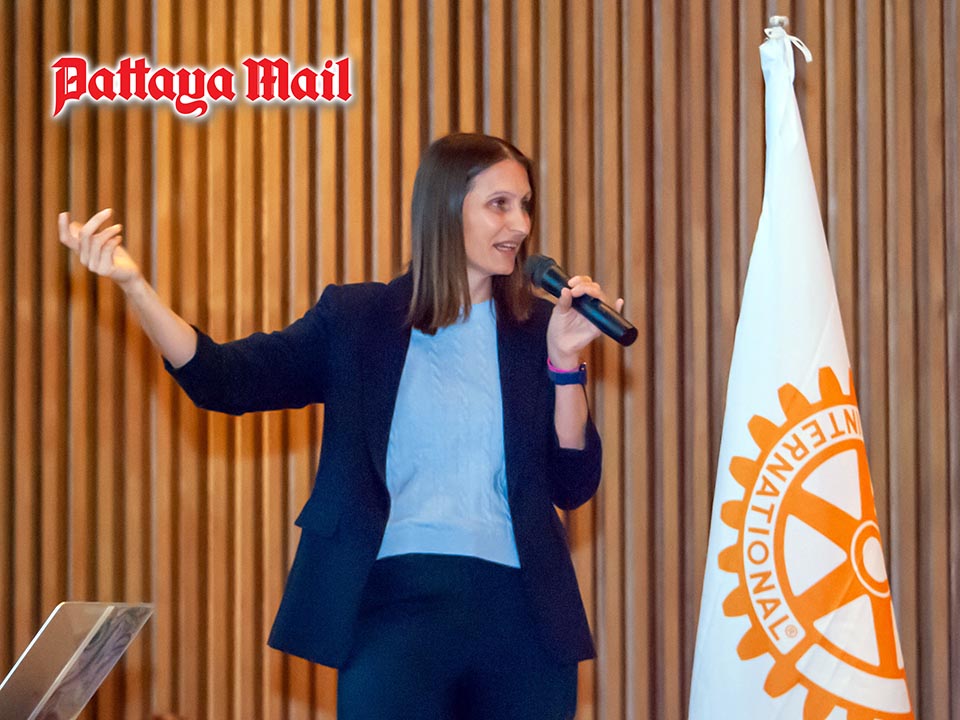
A particularly thought-provoking segment came from representatives of Regents International School Pattaya, led by Hannah Naowasuk who addressed the growing issue of “sharenting” – the practice of parents sharing images and personal details of children online. The safeguarding session explored how rapidly advancing technologies, including artificial intelligence, amplify risks related to privacy, permanence, and misuse of digital content. Participants were encouraged to reflect on consent, digital footprints, and responsible online behaviour.
Sharenting, speakers explained, can expose children to identity theft, cyberbullying, reputational harm, and violations of privacy. Financial institutions have projected that by 2030, a significant portion of identity fraud affecting young adults may stem from parental social media activity rather than the individuals themselves. The message was clear: safeguarding in the digital age requires awareness, restraint, and collective responsibility.
Building directly on this theme, Giorgio Luicardi from the Take Care Kids Foundation delivered a powerful presentation focusing on the protection and empowerment of children. His contribution left a lasting impression on the audience by clearly outlining the meaning and scope of child abuse, defined as physical, sexual, emotional, psychological maltreatment, neglect, or online exploitation of a child, often occurring within environments where children should feel safest.
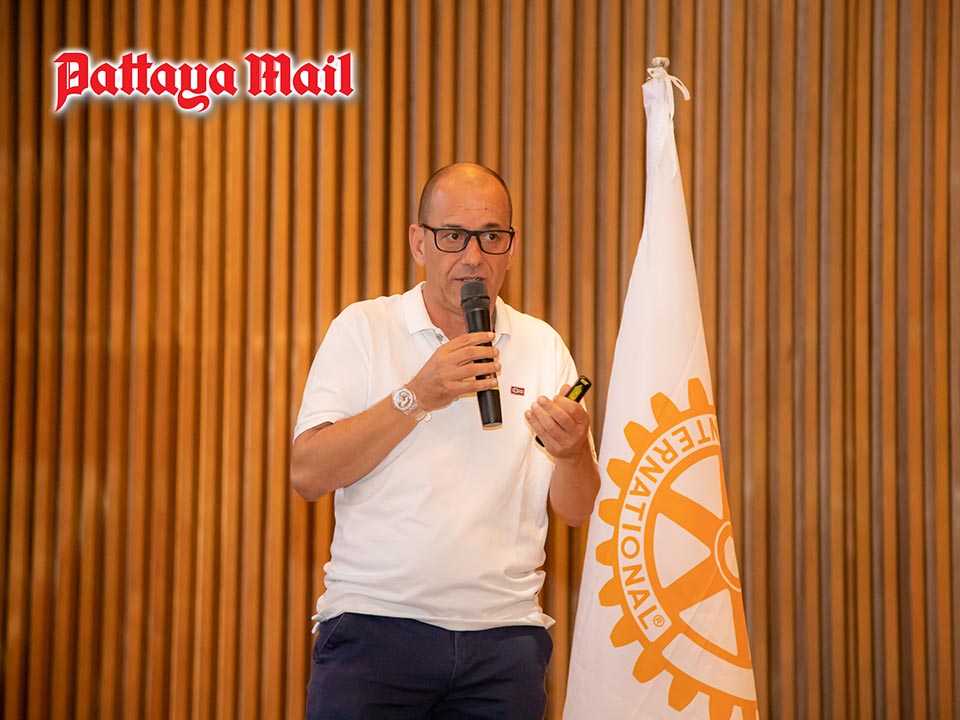
The presentation explained that physical abuse involves intentional acts causing injury or trauma, while sexual abuse includes exploitation, grooming, or coercion of a child for sexual purposes. Emotional or psychological abuse was described as sustained behaviour that harms a child’s mental health and development. Particular emphasis was placed on online child sexual exploitation, sometimes referred to as cyber molestation, highlighting how abuse can occur without physical contact through digital platforms, anonymity, and remote access.
Drawing on the organization’s experience in Pattaya, Luicardi shared sobering statistics illustrating the scale of the challenge. According to the foundation’s data, a significant proportion of abuse occurs within the family environment, with long-term psychological and social consequences affecting most victims throughout their lives. He noted that more than 1,000 children in Pattaya and surrounding areas are considered to be in immediate danger, with alcohol abuse, drug dependency, and poverty identified as major contributing factors. Despite ongoing efforts, Take Care Kids is currently able to secure only a small fraction of those at risk, underlining the urgent need for wider community cooperation.
Following these presentations on child abuse and safeguarding, Past District Governor Pratheep ‘Peter’ Malhotra, from the Rotary Club of Jomtien-Pattaya, summarised the evening’s central message with clarity and urgency. He warned that in today’s interconnected digital environment, even well-intentioned social media posts can unintentionally expose children to long-term risks. Emphasising that once images are uploaded they may circulate beyond parental control, he urged parents and guardians to reconsider the routine sharing of children’s photographs online. Those who had already posted identifiable images, he advised, should review and remove them wherever possible, noting that reducing exposure remains one of the most effective preventative steps available. His remarks reinforced the broader responsibility of families and communities alike to place child safety above convenience or social media visibility.

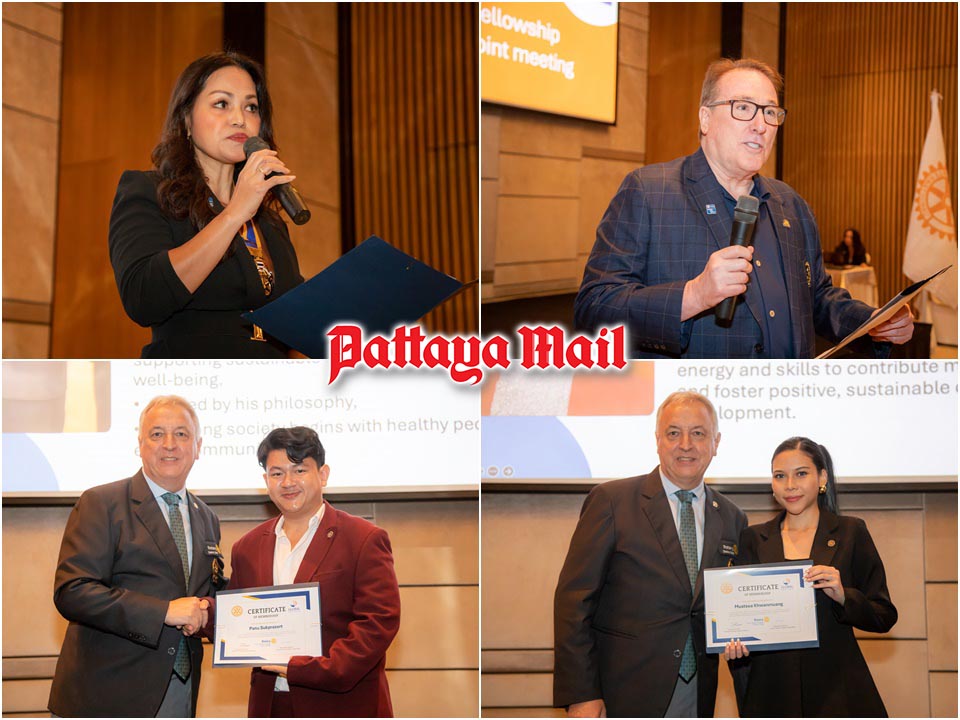
Standing alongside Global Pattaya was the Rotary Club of Mahanakorn from Bangkok, representing the capital’s urban heart and blending tradition with modern civic engagement. A ceremonial highlight followed as Steve Rochester inducted and pinned new members, reinforcing Rotary’s commitment to integrity and ethical service.
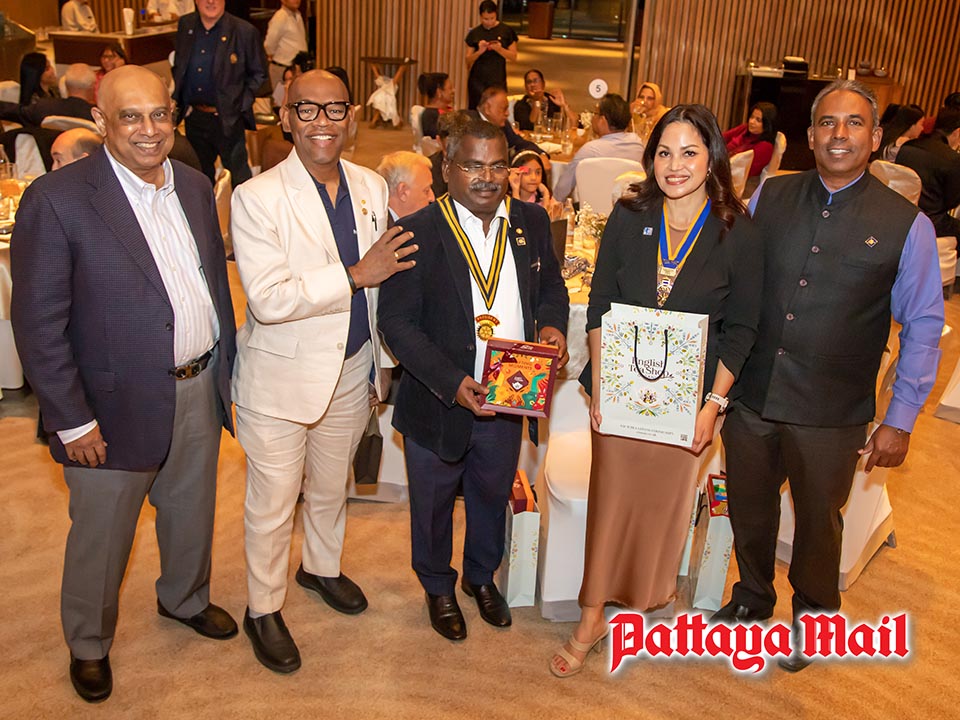
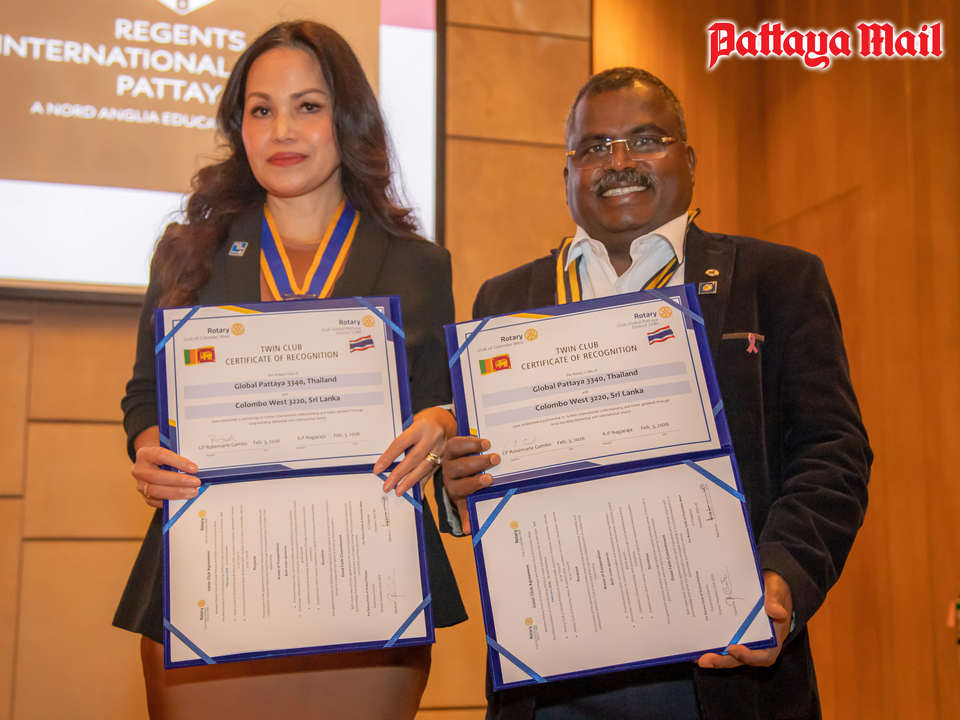
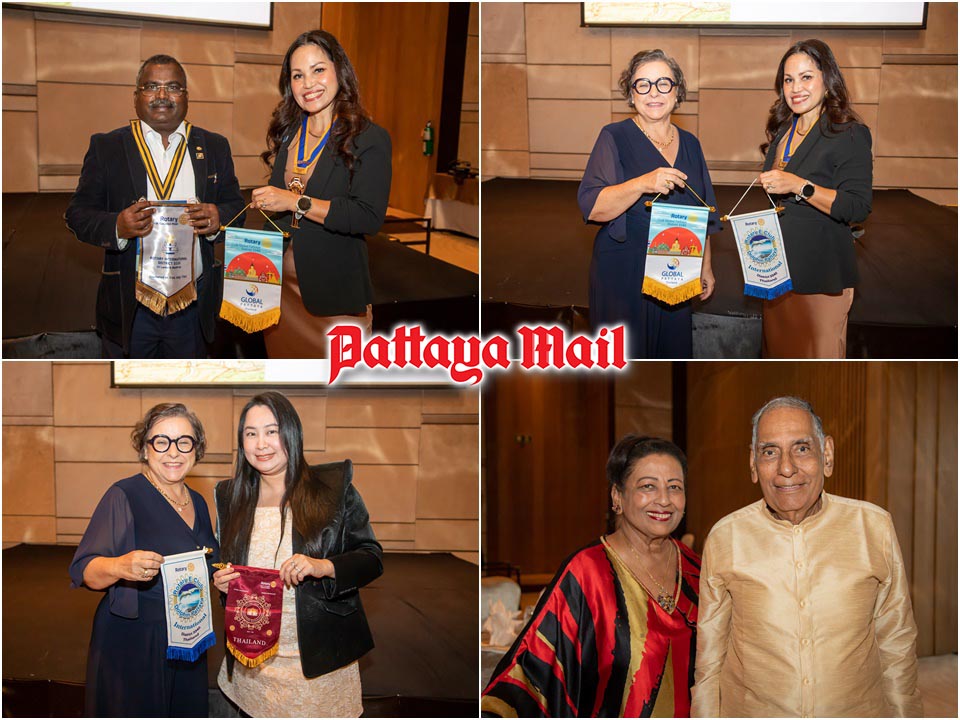
The centerpiece of the evening was the formal signing of a sister club agreement between Rotary Club Global Pattaya and the Rotary Club of Colombo West, founded in 1961 and today one of Sri Lanka’s most respected Rotary institutions. The agreement symbolically expanded the circle of cooperation and laid the groundwork for future cross-border initiatives in education, healthcare, environmental protection, and youth development.
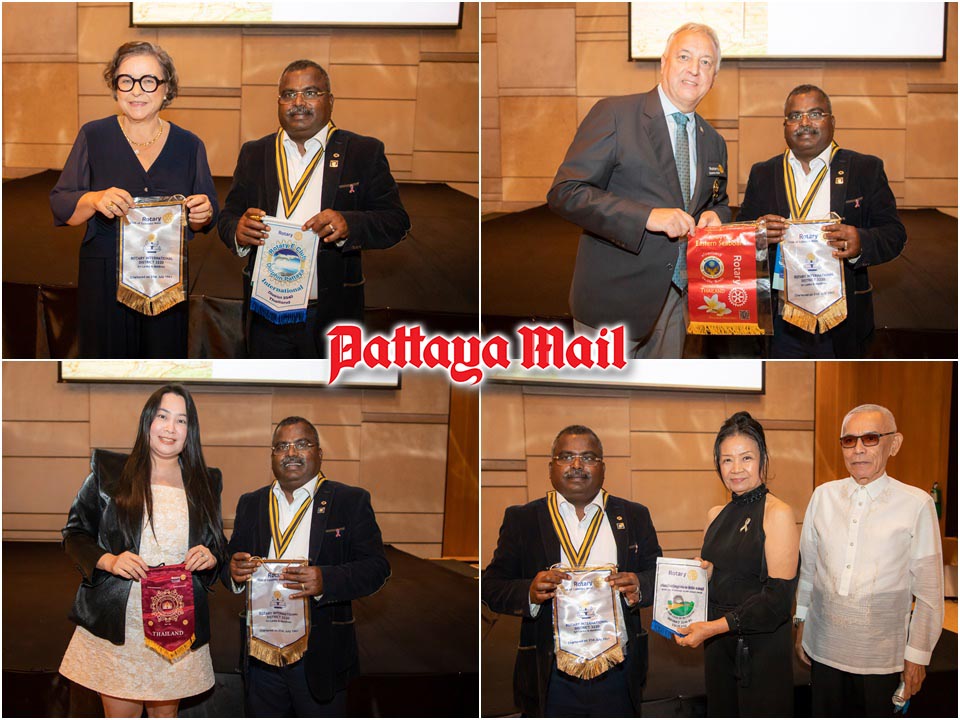
The evening concluded with a ceremonial exchange of flags – a timeless symbol of friendship and solidarity. In the warm atmosphere of personal dialogue and shared commitment, it became evident that something greater than a formal partnership had taken shape. What emerged was a vibrant, expanding network of Rotary fellowship – united not only by tradition, but by a shared resolve to protect and uplift the most vulnerable.