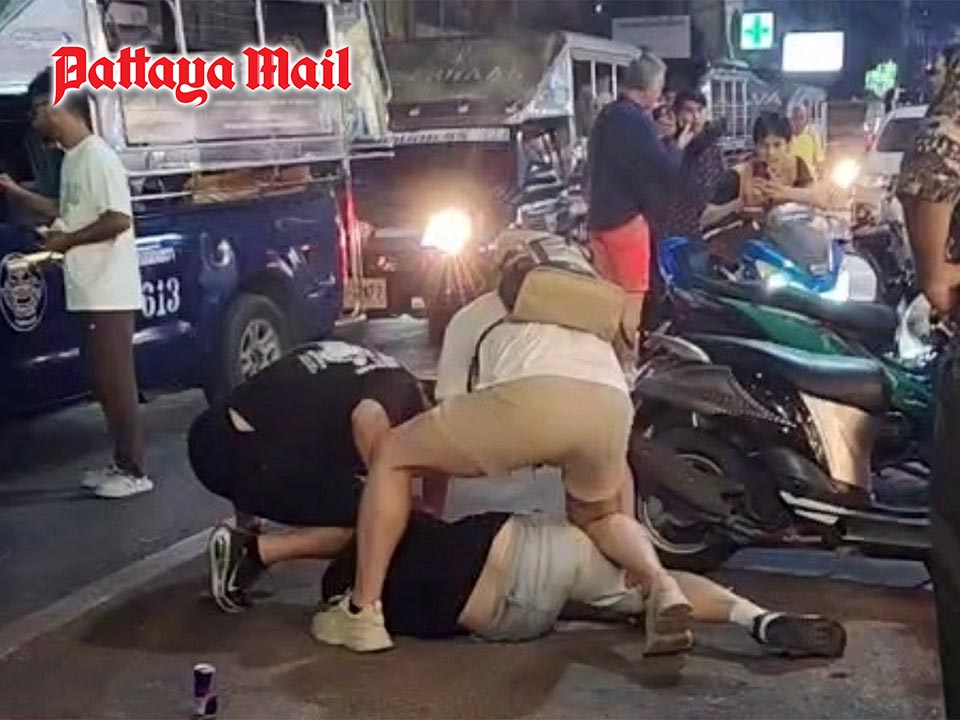
PATTAYA, Thailand – Incidents like the latest street assault involving an intoxicated foreign tourist are no longer shocking in Pattaya — they are disturbingly familiar. Time and again, violence breaks out not in dark alleys, but in full public view: outside shopping centers, along beachfront roads, and on nightlife-heavy streets such as Pattaya Second Road.
Each time, the same pattern emerges. A visibly drunk individual causes chaos. Bystanders step in to protect victims. Only afterward do police arrive to take control.
The question many residents and visitors are now asking openly is simple: why does Pattaya so often reach the point where civilians have to act first?
Pattaya’s street violence problem is not rooted in nationality — it is rooted in environment and enforcement gaps. The city’s nightlife economy normalizes excessive drinking, while its transient population creates a sense of anonymity. Many offenders behave as if rules are flexible, consequences negotiable, and enforcement optional.
Public intoxication escalates quickly in crowded tourist zones. When alcohol meets entitlement — especially among visitors unfamiliar with local laws or norms — minor confrontations turn physical in seconds.
In case after case, riders, shop staff, and tourists are the first to restrain attackers. This is not because Pattaya lacks police — but because visibility and response timing don’t match reality on the ground.
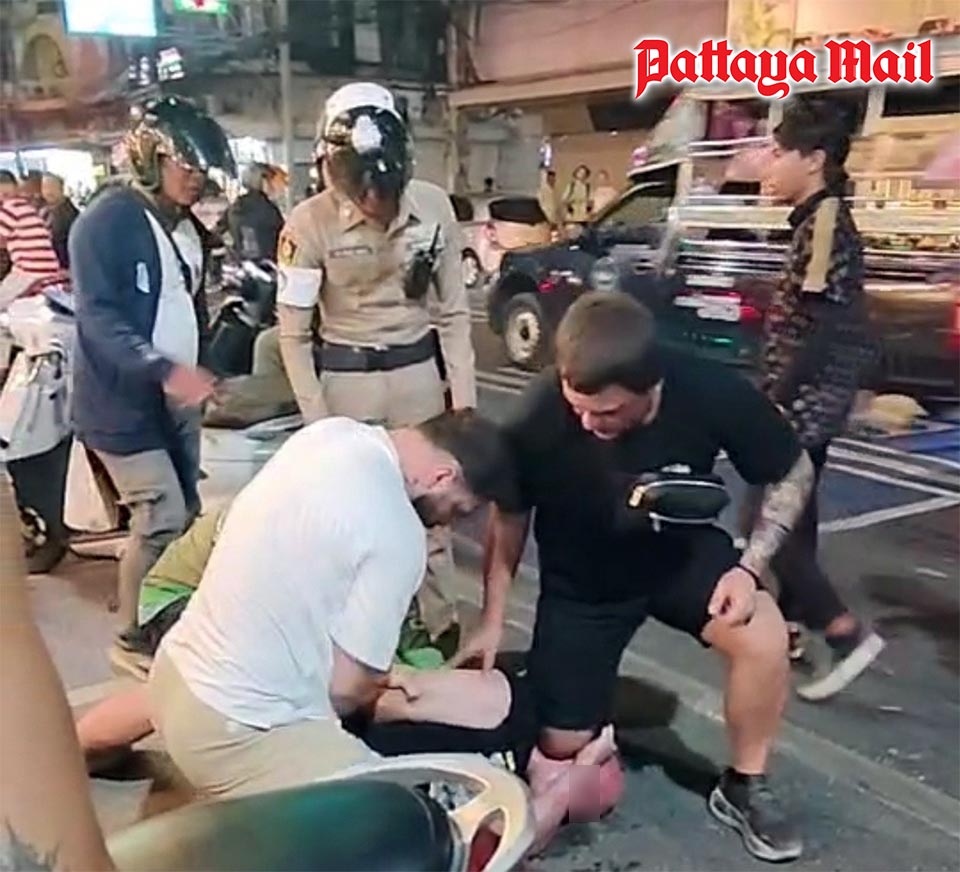
Police patrols are often stretched thin across entertainment zones. Officers may be nearby, but not immediately present at flashpoint locations when trouble erupts. In fast-moving incidents, minutes matter. By the time uniformed officers arrive, the violence has already peaked.
This creates a dangerous vacuum where crowd justice replaces law enforcement, increasing the risk of serious injury — for suspects, victims, and bystanders alike.
Authorities regularly stress “maintaining Pattaya’s image.” But image-focused enforcement tends to be reactive, not preventive. High-visibility patrols appear after viral incidents, not before them. Crackdowns follow headlines — and fade just as quickly.
What’s missing is sustained, boring, unglamorous policing: consistent foot patrols in known trouble zones, early intervention with intoxicated individuals, and zero tolerance for aggressive behavior before it turns violent.
Pattaya markets itself as safe, welcoming, and world-class. But every street fight chips away at that promise. When tourists see crowds restraining attackers and victims lying injured before police arrive, confidence erodes — quietly, but steadily.
The real risk is not reputational embarrassment. It’s normalization. When violence becomes expected, everyone loses: locals, businesses, and the majority of visitors who came here simply to enjoy the city.
Street fights in Pattaya don’t happen because people are bad. They happen because the system reacts late, not early. Until prevention replaces damage control, the next incident is not a question of if — only where.