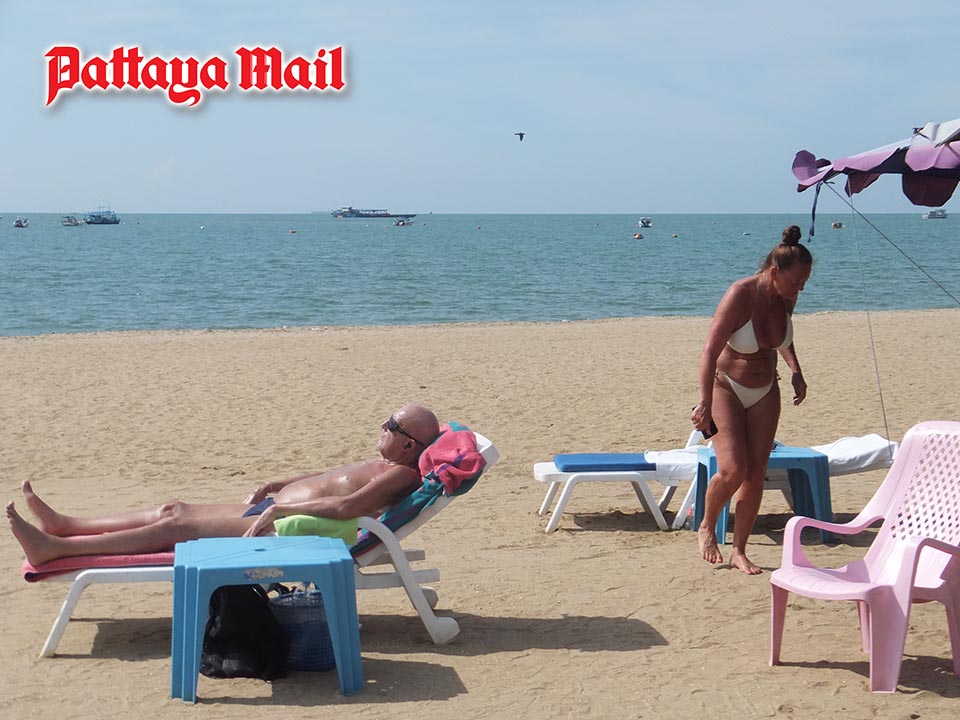
PATTAYA, Thailand – Every time the baht strengthens, the same warning resurfaces: Thailand is “pricing tourists out.” Comment sections fill with claims that visitors are leaving, bars are empty, and Pattaya is being quietly abandoned. Yet step outside, especially in high season, and planes are full, hotels are busy, and beachfront cafés are hardly deserted.
So who, exactly, is being driven away by the baht?
The uncomfortable answer may be that Pattaya’s wealthier tourists — the ones filling premium hotels, beachfront condos, and business-class cabins — are largely unfazed by modest currency swings. A one- or two-baht movement against the pound or euro barely registers for visitors spending freely on accommodation, dining, shopping, and experiences. For them, convenience, sunshine, safety, and lifestyle matter far more than exchange charts.
That doesn’t mean nobody feels the pressure. Long-term foreign residents, seasonal visitors, and budget-conscious travelers absolutely notice higher costs. When combined with rising hotel rates, pricier nightlife, and more expensive flights, even a stable exchange rate can feel worse. But perception is not the same as mass departure.
Critics of the “strong baht kills tourism” narrative point to hard realities. Airlines don’t slash routes if demand collapses — yet flights to Thailand remain packed. Hotels don’t raise prices in a vacuum — yet rates across Pattaya have climbed sharply and still find takers. If tourists were truly fleeing en masse, the market would respond quickly.
Some argue the debate is misplaced entirely. Pattaya’s challenges may have less to do with currency and more to do with image, aging infrastructure, environmental strain, and long-running reputational issues. Wealthier travelers often bypass Pattaya not because of price, but because they seek cleaner beaches, quieter resorts, or destinations less associated with sleaze.
Others note that Thailand has changed — and expects visitors to change with it. The era of ultra-cheap living may be over, not just for foreigners but for locals as well. Authorities appear willing to prioritize higher-spending tourists over volume, even if that means fewer budget visitors returning year after year.
In that sense, the baht becomes a convenient scapegoat. It’s easier to blame exchange rates than to accept that Pattaya is evolving — and that not everyone will come along for the ride.
The real question may not be whether rich tourists care about the baht. It’s whether Pattaya is prepared for a future where only some visitors do.