PATTAYA, Thailand – Thailand’s economy continues to stumble under the weight of political paralysis. The National Economic and Social Development Council (NESDC) reported GDP growth of just 2.8% in Q2 2025, the lowest in ASEAN — a grim statistic for a country once marketed as Southeast Asia’s tourism powerhouse.
The prolonged delay in forming a government, weakening investor confidence, and external shocks such as U.S. tax pressures have cornered the Thai economy. The World Bank has now slashed its 2025 growth forecast from 2.9% to just 1.8%, citing sluggish exports, wavering tourism recovery, and unstable political currents.
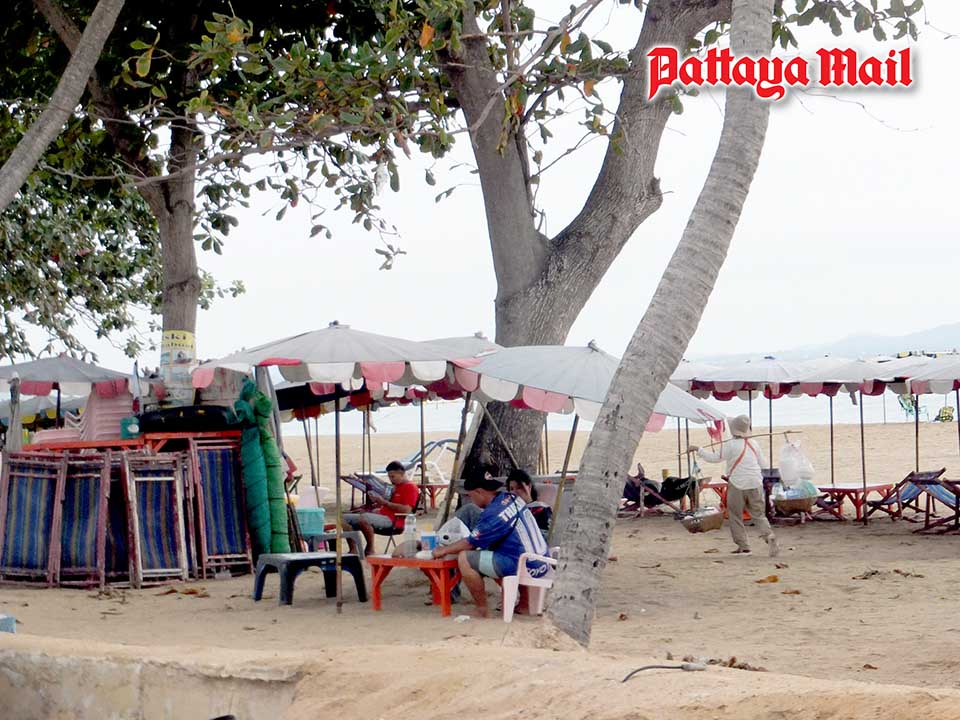
For Pattaya, once buzzing with nightlife and beachside revelry, the mood is increasingly subdued. Tourist arrivals have failed to meet expectations despite loosened monetary policy and policy gimmicks like TouristDigiPay (crypto-to-baht payments for foreigners) and the “Free Domestic Travel” campaign. Many see these measures as cosmetic — attractive on paper but lacking the punch to address deeper structural flaws.
Meanwhile, the Eastern Economic Corridor (EEC) continues to be sold as Thailand’s long-term growth engine. Yet, skepticism lingers: can infrastructure megaprojects offset the erosion of tourism, exports, and foreign confidence if the political system itself remains shaky?
Thailand’s problem is not just cyclical; it’s systemic. The country risks being trapped as ASEAN’s underperformer while its neighbors surge ahead with clearer political direction and stronger investment climates.