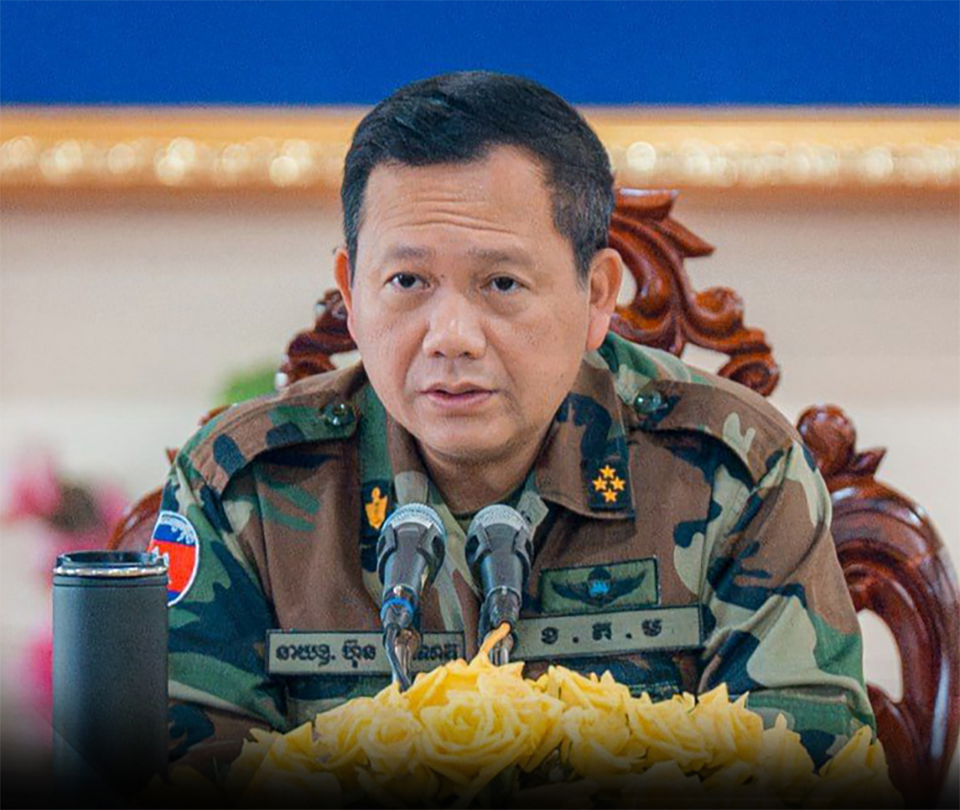
PHNOM PENH – In a dramatic escalation of Thai-Cambodian tensions, Cambodian Prime Minister Hun Manet announced on Sunday that all imports of fuel and gas from Thailand will be suspended starting midnight. The move comes amid a diplomatic standoff over border trade closures and rising nationalist sentiment on both sides.
In a post on his official Facebook page, Hun Manet declared that domestic oil distributors in Cambodia are fully capable of sourcing fuel and gas from alternative suppliers, adding that the country can withstand the halt even if it lasts more than a month. “Even for just a month, or even forever, it will not be a problem,” he said.
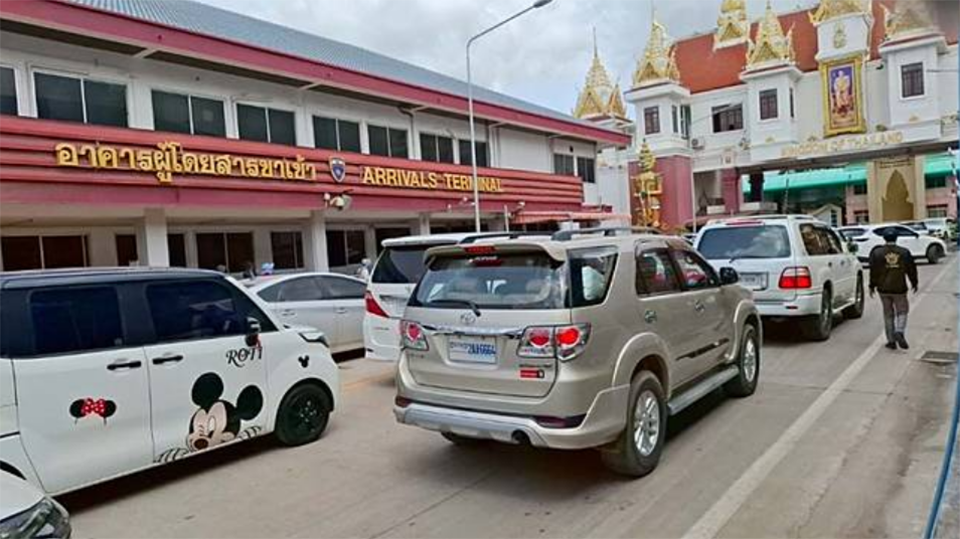
The decision is widely seen as a direct response to Thailand’s continued closure of key border checkpoints, including the Chong Sai Taku temporary trade crossing. Tensions have been further inflamed by Cambodian concern over recent visits by Thai cyclists to the disputed Ta Muen Thom temple, which Phnom Penh views as politically sensitive.
The fuel import suspension follows remarks made earlier by Hun Sen, Cambodia’s Senate President and former Prime Minister, who criticized proposals by Thai opposition figures to block fuel sales to Cambodia. Hun Sen warned that such a move would hurt Thailand’s own energy companies and hasten Cambodia’s diversification away from Thai imports and labor.
“This is not a retaliatory measure we take lightly,” a Cambodian official said on condition of anonymity. “It’s a calculated signal — Cambodia will not be strong-armed at the border.”

Analysts say the ban may have immediate repercussions for cross-border trade and logistics, particularly affecting Thai companies with fuel operations or infrastructure investments inside Cambodia. Local Thai officials and exporters in provinces like Surin and Sa Kaeo are bracing for ripple effects, especially as fuel remains one of the key export items to Cambodia.
The Thai Ministry of Commerce and Ministry of Energy have yet to issue an official response, though observers expect emergency talks may be called in the coming days.
The suspension also marks a deepening in what some regional commentators are calling a “border cold war” — a blend of economic pressure, historical grievances, and political brinkmanship that threatens to undermine decades of economic integration between the two nations.
For now, the Thai-Cambodian border remains under heightened security, with both sides signaling they are prepared for further measures should the diplomatic impasse continue.