
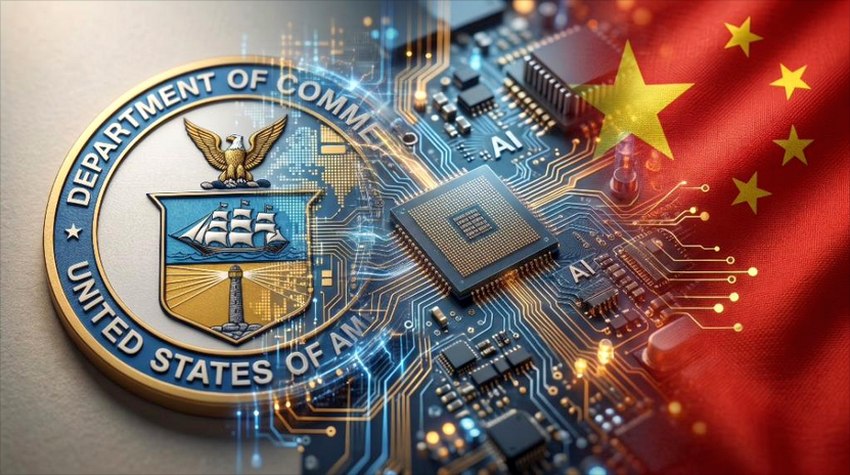
BANGKOK, Thailand – Thailand has been named among five countries facing new US licensing requirements for exports of advanced artificial intelligence chips, under measures designed to prevent Chinese companies from accessing American computing technology through overseas data centers. The US Department of Commerce announced the interim final rule on November 16, covering advanced semiconductors shipped, re-exported or transferred to Thailand, Indonesia, Malaysia, Singapore and Brazil. The measure affects high-performance chips made by US companies such as Nvidia and AMD.
Thailand is not facing a blanket ban on AI chip imports. Instead, exporters will need to obtain a US license for covered chip transactions involving the five countries. The rule identifies them as destinations presenting a higher-than-normal risk of diversion to unauthorized users. The rules also target the use of overseas data centers to bypass restrictions on Chinese access to advanced American chips. Under the new controls, data centers anywhere in the world that provide significant computing capacity to companies headquartered in China, Macau or other restricted destinations will face additional licensing requirements.
This is intended to prevent Chinese companies from renting computing power remotely from facilities in Southeast Asia rather than importing restricted chips directly. Data centers already providing such services must obtain the required licenses within 90 days of the rule taking effect if they wish to continue. Commercial recommendation systems, such as those used by online retailers and social media platforms, are exempt under specified conditions.
The US government has identified the five countries as presenting a higher-than-normal risk of diversion of advanced computing technology. The rule also requires data centers, chip exporters and overseas semiconductor manufacturers to carry out stronger checks on customers, including examining direct and indirect ownership or control.
For Thailand, the implications could be significant given the rapid expansion of data center investment and demand for advanced computing infrastructure. Companies involved in importing, exporting, transferring or operating facilities using covered US technology may need to review their supply chains, customers and licensing arrangements.
However, the new requirements do not mean that all Thai data centers or businesses are suspected of supplying China. The licensing process will assess covered transactions individually, with applications reviewed case by case. Certain transactions involving companies headquartered in the United States are also exempt, subject to reporting requirements.
The interim final rule is scheduled for publication in the US Federal Register on November 19, when it is due to take effect. It also formally rescinds the Biden administration’s 2025 AI Diffusion Rule, replacing that framework with more targeted controls on advanced chips and remote access to computing power. The move places Thailand among a group of countries facing closer US scrutiny over advanced semiconductor trade, at a time when the country is seeking to attract major investment in data centers and digital infrastructure.