

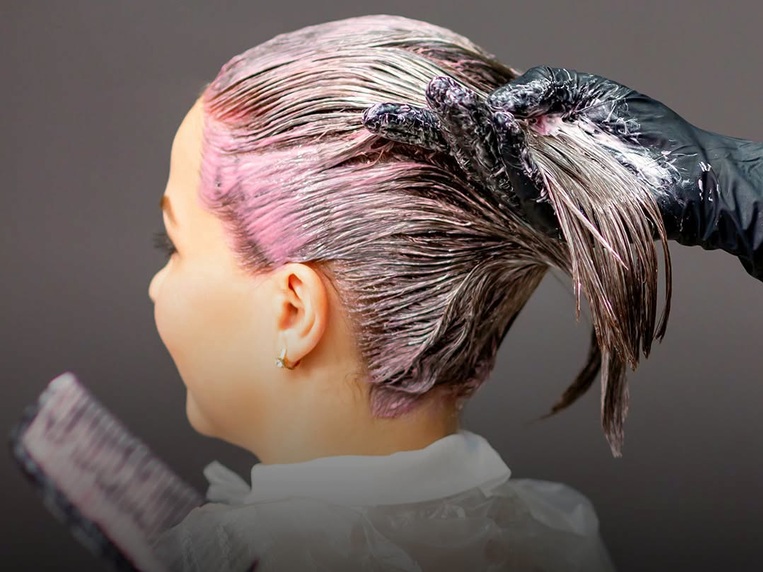
BANGKOK, Thailand – Changing hair color has become part of many people’s regular beauty routines, whether to cover grey hair, follow fashion trends or refresh their appearance. Some people change their color every few weeks, raising questions about the possible health effects of repeated exposure to chemicals in hair dye. Hair dye products contain a mixture of chemical ingredients and are generally divided into three main categories according to how they color the hair and how long the results last.
Three main types of hair dye
Temporary hair dyes coat only the outer surface of the hair without penetrating its inner structure. The color is easily washed away, usually disappearing after one or two shampoos. These products are suitable for people who want to try a different shade for a short time. Examples include color rinses, hair crayons and color sprays.
Semi-permanent hair dyes generally last around five to six weeks. They contain smaller color molecules that can penetrate into the middle layer of the hair. Products in this category include color shampoos, lotions and foams. They are often chosen by people who want a change without using permanent coloring products.
Permanent hair dyes provide lasting color, meaning users generally have to wait for new hair to grow before their original color returns. These products commonly contain ammonia and hydrogen peroxide and are often used to cover grey hair or make a lasting color change. The color remains through regular shampooing.

Does frequent hair dyeing increase cancer risk?
Previous studies examining the health effects of hair dye chemicals have attracted attention, including claims that women who frequently color their hair may face a 60% higher risk of breast cancer. However, Thailand’s National Cancer Institute reviewed the claim and found no conclusive research evidence confirming that women who frequently dye their hair face an increased risk of breast cancer.
Although there is currently no definitive evidence establishing hair dye as a cause of cancer in humans, the products contain various chemicals that can cause allergic reactions in some people. Using them carefully and following safety instructions can help reduce unnecessary exposure.
Symptoms of an allergic reaction to hair dye
Possible reactions can range from mild skin irritation to more serious symptoms. These include:
▪ Redness and itching around the scalp
▪ Swelling of the skin, eyes, lips, tongue, hands or feet
▪ Blisters or peeling skin
▪ Wheezing or difficulty breathing
▪ Abdominal pain
▪ Nausea and vomiting
▪ Fainting or loss of consciousness
People using hair dye should select products that meet recognized safety standards and wear protective gloves during application to minimize direct skin contact with the chemicals.
Anyone experiencing an allergic reaction should stop using the product and seek medical attention immediately. Severe symptoms, particularly breathing difficulties or loss of consciousness, require emergency medical care.