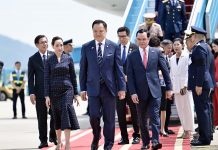
BANGKOK, June 16 – Prime Minister Yingluck Shinawatra on Saturday expressed concern over economic woes in Europe will affect Thai exports, order concerned agencies to closely follow up the economic situation in European countries.
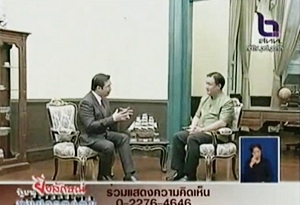
PM said during “Yingluck Government Meets the People” program broadcast via Radio Thailand and National Broadcasting Services of Thailand (Channel 11) that the government has instructed relevant agencies including the National Economic and Social Development Board (NESDB), Finance Ministry, and Bank of Thailand to working together to monitor the situation and analyse the potential impact to Thailand’s economy, both directly and indirectly.

These agencies are tasked with understanding impacts correctly and work together to build Thailand’s economic strength, she said, adding that this approach would help Thailand to prepare for and proactively prevent problems at the same time.
Ms Yingluck said that Commerce Ministry has discussed with exporters who may be affected by the crisis in Europe and the government has prepared to extend assistance while advising the private sector to be prepared to respond to the situation.
As for the tourism industry, she said, new markets of tourists would be sought out.
Meanwhile, Deputy Prime Minister/Finance Minister Kittiratt Na-Ranong who also joined the TV programme, said that the international community was confident that the European countries would be able to handle this economic crisis.

He was also confident that Thailand could handle the situation and measures have been prepared to respond to the crisis.
Mr Kittiratt also added that Thailand’s public debt would not become non-performing loan as in several countries of the European Union (EU), while expecting the eurozone crisis will not heavily affect the world economy like the 2008 Hamburger crisis.
He said Thailand’s export goal remains the same, to expand by 15 percent, thanks to negotiations to enter more markets.
The country’s gross domestic product (GDP) is expected to grow at least at 5.5 percent due to government investment in infrastructure for flood prevention,
the minimum wage raise, corporate tax reduction from 30 percent to 20 percent, low interest rates, weaker energy prices, and weaker foreign exchange rate of the baht currency.
He noted that the Thai economy depends on exports, domestic investment, and the service sector (tourism). While admitting the EU’s debt crisis would affect the Thai economy,
he was confident the government would mitigate the impact.
The premier has assigned all parties to reduce such impact, he said. The Export-Import Bank of Thailand (EXIM), and other banks were called upon to prepare assistance to the private sector.